Quick Answer: Packing each room for a move works best when you follow a clear sequence, pack one room at a time, and handle items based on how often you use them. Most packing problems start when items are boxed randomly, which leads to misplaced belongings, preventable damage, and a more chaotic moving day.
Why Packing by Room Is the Most Efficient Moving Strategy
Packing without a plan tends to create problems later. Boxes get mixed between rooms, labels become less useful, and unpacking takes longer than expected.
Packing by room keeps the process more organized. Each box belongs to a specific space, which makes loading, unloading, and unpacking more predictable.
- Boxes stay grouped by room
- Labeling stays clear and consistent
- Unpacking follows a logical order
Disorganized packing can slow down the entire move. It affects how efficiently the truck is loaded and how easily items can be placed in the new home. Following a structured system alongside a complete moving preparation checklist helps keep the process on track.
Before You Start: Packing Timeline and Supplies
What to Pack First vs. Last (Step-by-Step Timeline)
Packing order has a big impact on how manageable the move feels. When essentials are packed too early, daily routines become harder. When everything is left too late, packing becomes rushed and mistakes are more likely.
- Start with storage areas, garages, and guest rooms
- Move to bedrooms, decor, and other non-daily items
- Pack most of the kitchen, leaving out only essentials
- Finish with everyday items and your essentials boxes
This sequence helps keep your home functional while packing moves forward. If rooms start to feel half-finished or cluttered, it usually means the packing order needs adjustment.
Essential Packing Supplies Checklist
The quality of your packing materials affects how well items hold up during the move. Weak boxes or poor padding can lead to damaged items and repacking delays.
- Small, medium, and large moving boxes
- Bubble wrap and packing paper
- Packing tape and a tape dispenser
- Markers for labeling
- Specialty boxes for dishes or wardrobes
Having the right supplies ready helps avoid last-minute substitutions that do not protect items as well. For a full breakdown, use this essential moving packing supplies list.
How to Pack the Kitchen
Dishes, Glassware, and Fragile Items
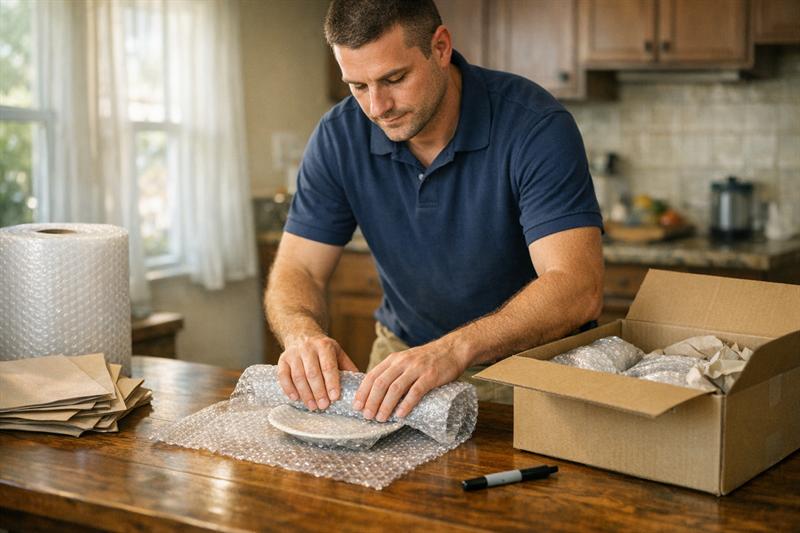
The kitchen is one of the highest-risk areas to pack. Fragile items are easy to rush, which increases the chance of breakage during transport.
Wrap each item individually, place dishes upright, and use padding between layers. Boxes should feel snug and stable, not loose enough for items to shift.
For a deeper walkthrough, see how to pack fragile items safely.
Pantry and Food Organization
Pantries usually hold more than expected, including expired or open items. Packing everything without sorting first often leads to spills or unnecessary waste.
Go through items before boxing them. Keep sealed, non-perishable goods and set aside anything that could leak or spoil. This reduces what needs to be moved and helps avoid cleanup later.
Appliances and Bulky Items
Small appliances should be cleaned, dried, and prepared before packing. Leaving residue inside can affect nearby items during transport.
It also helps to remove loose parts, wrap cords neatly, and keep accessories together so unpacking is simpler in the new space.
How to Pack the Bedroom
Clothing and Closets
Closets can slow packing down if everything is handled at once. A more controlled approach keeps the process moving.
Pack out-of-season clothing first and use wardrobe boxes for hanging items. This keeps clothes protected and reduces folding time. It can also help to cut down volume by following a plan like decluttering before moving.
Furniture and Mattresses
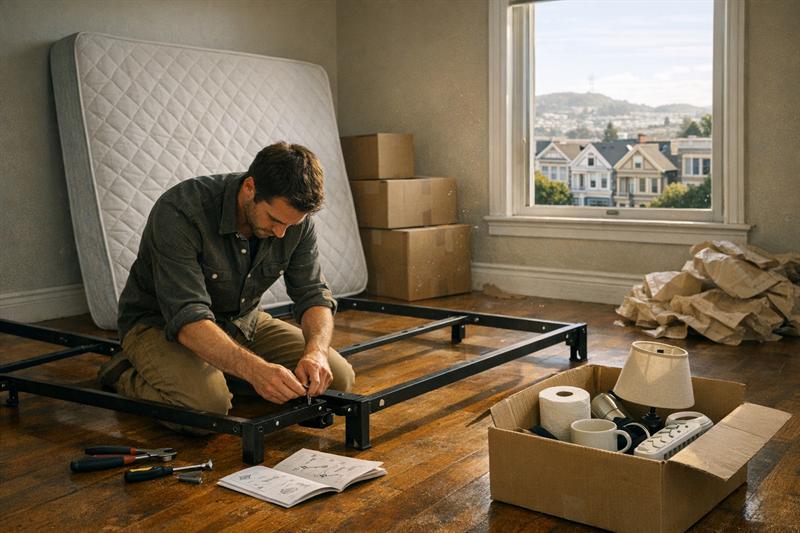
Bedroom furniture should be disassembled when practical and protected before moving. Keep screws and hardware in labeled bags so reassembly is straightforward.
Damage often happens when furniture is moved without enough preparation. Scratches, loose parts, and missing hardware are all avoidable with a little setup in advance.
Personal and Valuable Items
Important documents, jewelry, and other valuables are usually best kept with you rather than packed into moving boxes.
When these items are packed with everything else, they are harder to track and slower to find when you need them.
How to Pack the Living Room
Electronics and Cables
Electronics are often packed without labeling cables, which creates confusion later.
Label cords clearly and take photos before disconnecting anything. This keeps setup simpler and avoids guesswork when reconnecting devices.
Decor and Fragile Items
Mirrors, frames, and artwork need secure packing with enough padding to prevent movement.
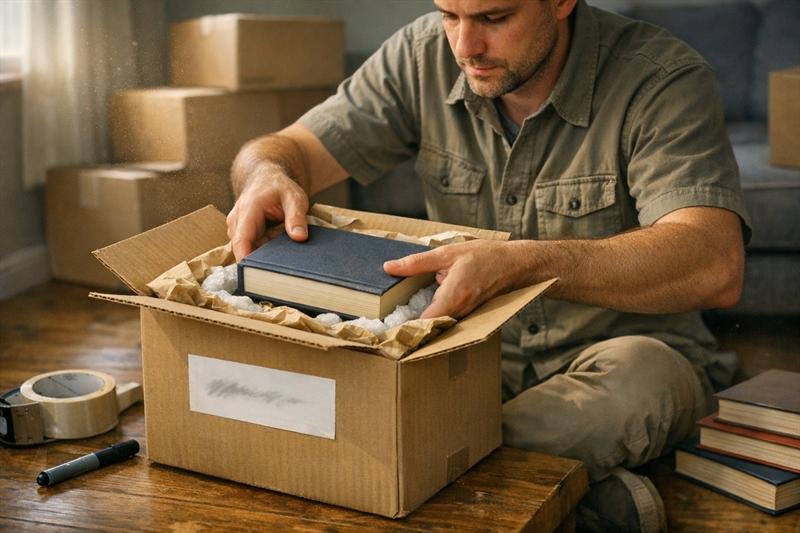
Fill empty space in the box so items stay stable during transit. Even well-wrapped pieces can be damaged if they shift too much.
Furniture Prep
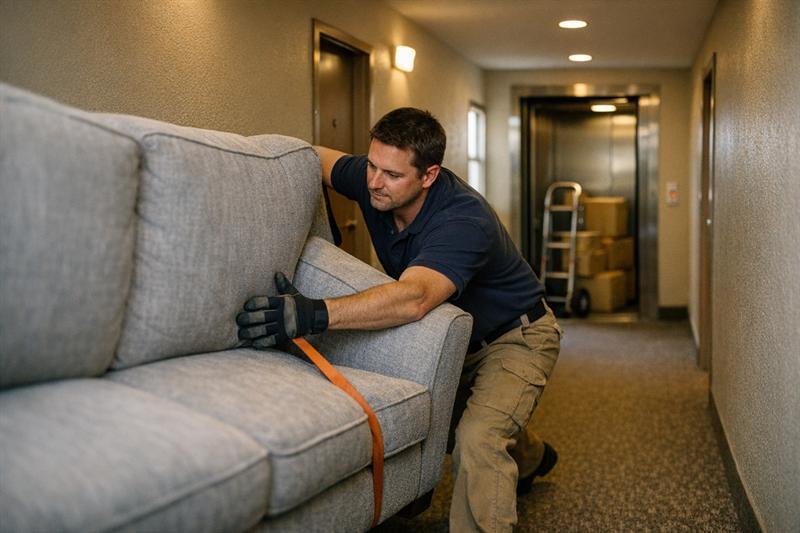
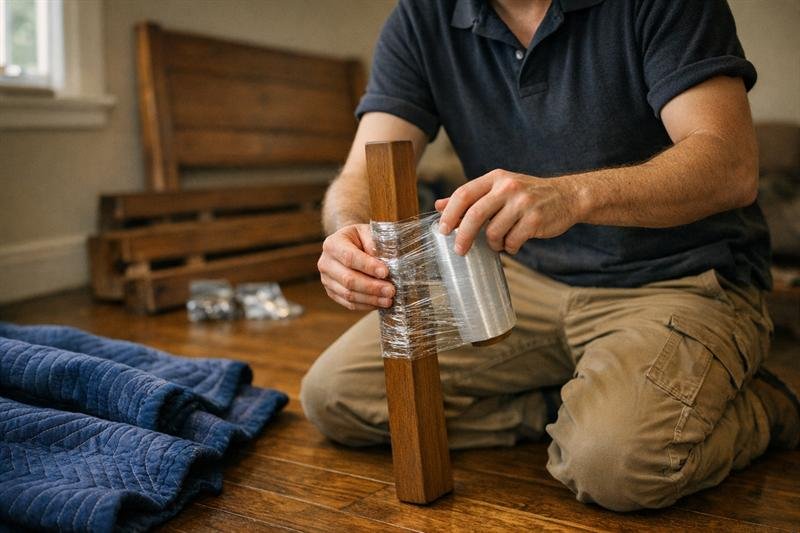
Wrap furniture to protect surfaces and corners. Keep items grouped by room so they can be placed more quickly in the new home.
When furniture is not organized ahead of time, loading and unloading usually takes longer and creates unnecessary back-and-forth.
How to Pack the Bathroom
Toiletries and Liquids
Liquids are a common source of packing problems. Leaks can spread quickly and affect nearby items.
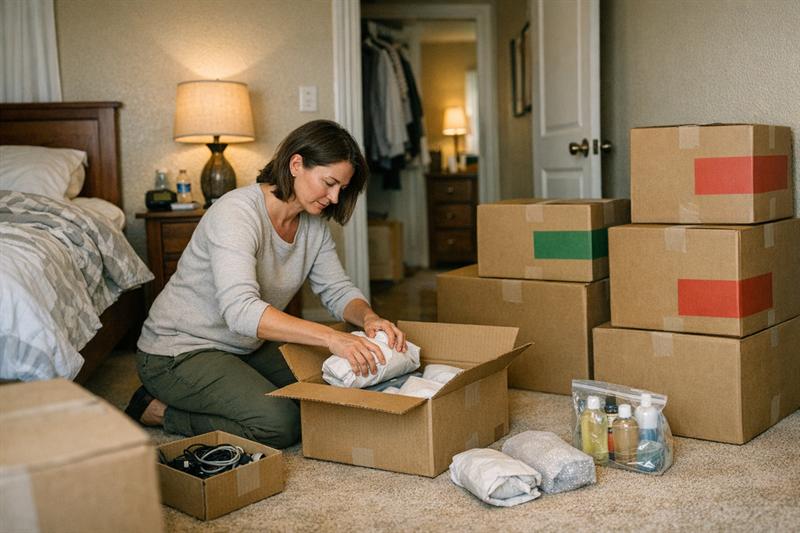
Seal bottles, place them in plastic bags, and keep them upright in boxes. This helps reduce the chance of spills during transit.
Daily-Use Essentials
Bathrooms stay in use until the final day, so packing everything too early can disrupt your routine.
Keep a small set of essentials available and pack the rest near the end. This keeps the space functional while you finish packing.
How to Pack the Garage and Storage Areas
Tools and Heavy Items
Heavy items should go into small boxes to keep weight manageable. Large boxes filled with heavy items are harder to carry and more likely to fail.
This also makes loading safer and helps prevent damage to the box and the items around it.
Hazardous or Restricted Items
- Paint and chemicals
- Fuel and propane tanks
- Cleaning solvents
- Certain batteries
These items are often restricted from moving trucks. Packing them can create safety concerns and last-minute complications, so it is best to identify them early.
Outdoor Equipment
Drain fuel and clean outdoor equipment before packing. Dirt and residue can transfer to other items during transport.
Taking a few minutes to prepare these items helps keep the truck and nearby boxes cleaner.
What to Pack Last: Essentials Box Strategy
An essentials box keeps your first day in the new space manageable. Without it, basic items are buried and harder to access.
- Toiletries and medications
- Phone chargers and basic electronics
- Basic kitchen items
- Clothes for a few days
This step is easy to overlook, but it makes a noticeable difference once you arrive.
Common Packing Mistakes to Avoid
- Overpacking boxes, which increases the chance of damage
- Poor labeling, which slows down unpacking
- Mixing items from different rooms
- Starting too late and rushing the process
These mistakes tend to build on each other. A small shortcut during packing can create larger delays and complications later.
When to Consider Professional Packing Services
If packing is falling behind or becoming hard to manage, it may be time to change the approach. This is especially true for larger homes or tight timelines.
If any of the following sound familiar, extra help may be worth considering:
- Rooms are partially packed with no clear system
- Fragile items are being rushed or put off
- Packing is interfering with daily routines
- The moving date is getting close
At that point, professional packing can help restore structure, protect belongings, and keep the move moving forward. Learn more about packing services if the process is no longer staying organized.
Conclusion
Packing without a system is one of the fastest ways for a move to become disorganized. It can lead to misplaced items, a higher chance of damage, and a harder moving day overall.
A room-by-room approach keeps everything more controlled. It improves how items are packed, how efficiently they are moved, and how easily they are unpacked.
If packing is already becoming disorganized or falling behind, getting support earlier can make the process easier to recover. Quantum Moving helps organize the work, protect your belongings, and keep your move on track from start to finish.
Take the next step here: Get a moving quote.
Key Takeaways
- Pack one room at a time to stay organized
- Follow a clear timeline to avoid last-minute stress
- Use proper materials to protect items
- Avoid common mistakes that slow down your move
FAQ
What room should you pack first when moving?
Start with low-use rooms like storage areas or guest bedrooms. These spaces usually contain items you will not need right away, which helps preserve your daily routine while packing progresses.
How do you stay organized when packing a whole house?
Pack one room at a time and label every box clearly. Mixing items from different rooms creates confusion during unloading and unpacking, while a structured approach keeps everything easier to manage.
How many boxes do you need per room?
Each room typically needs a mix of box sizes. Heavy items should go in small boxes, while lighter items fit better in larger ones. Planning ahead helps reduce the need to repack.
How do you pack fragile items safely for moving?
Wrap each item individually and use padding between layers. This reduces movement inside the box and lowers the risk of damage during transport.
What should not be packed in moving boxes?
Hazardous materials, perishables, and some liquids should usually be kept out of moving boxes. These items can create safety issues and complicate transport if they are not handled separately.
How far in advance should you start packing for a move?
Start packing a few weeks before your move if possible. That gives you time to organize, sort, and pack without rushing, which makes the process more manageable.