Quick Answer: Most furniture damage and moving delays start before the truck is loaded. Preparing furniture properly means cleaning it, disassembling what should come apart, protecting surfaces with the right materials, and staging everything so movers can work without avoidable slowdowns or last-minute fixes.
This is where many moves start to break down. Furniture can look ready at a glance, but drawers are still full, hardware is loose, or pieces are wrapped the wrong way. That can lead to scratches, broken parts, and time lost fixing preventable issues during the move.
If you want to reduce the chances of damage, added costs, and a longer moving day, preparation is the part you can control. It helps set the pace for everything that follows.
Why Furniture Preparation Matters More Than Most People Expect
Many people assume the biggest risk happens in transit. In reality, problems often start earlier, during lifting, turning corners, or loading into the truck.
- Loose parts can shift and get damaged during handling
- Unprotected surfaces can get scratched in tight spaces
- Heavy, fully assembled items can slow down the entire process
- Movers may need to stop and fix preventable issues instead of loading efficiently
Small oversights tend to stack up. One item is not ready, then another. The crew has to stop, adjust, and reorganize. That is how a move that should feel controlled starts to drag out.
If you want to understand how delays build, see what causes moving day delays and how to prevent them.
A Step-by-Step Process to Prepare Furniture for Moving
Step 1: Clean and Inspect Each Piece
Dust and debris can get trapped under wrapping and rub against surfaces during the move. That is a common cause of light scratches.
Wipe down each piece and check for existing wear. This helps you decide what needs extra protection and makes it easier to tell pre-existing marks from any issues after the move.
Step 2: Decide What to Disassemble
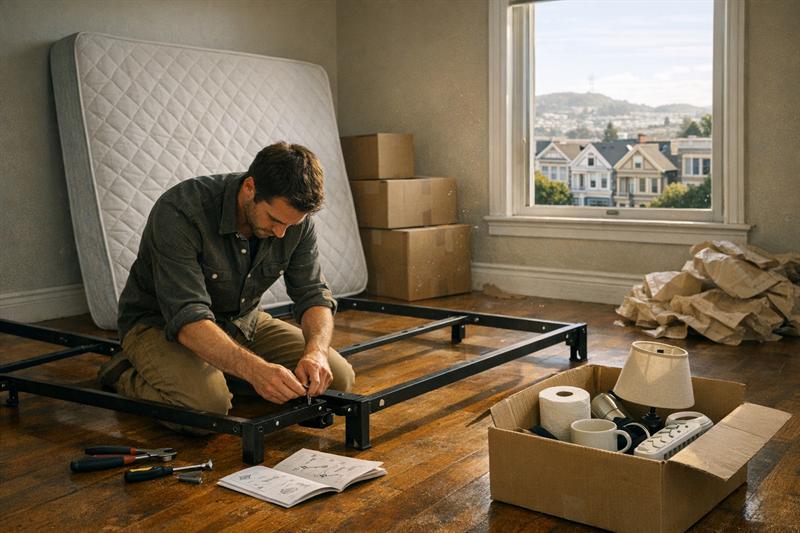
Large items like beds, dining tables, and sectionals are often easier and safer to move in parts. Disassembly reduces weight and makes tight turns more manageable.
Many people leave furniture assembled to save time, but that can make it harder to carry and easier to damage. Tight hallways and doorways make this even more difficult.
If a piece feels bulky or awkward to maneuver, it is usually a sign that taking it apart will make the move easier.
Step 3: Remove and Secure Loose Parts
Drawers, shelves, legs, and cushions should be removed when practical. Leaving them in place can add weight and increase shifting during movement.
Hardware should be bagged, labeled, and kept with the item it belongs to. Missing screws or bolts can slow down reassembly and turn a simple setup into a longer process.
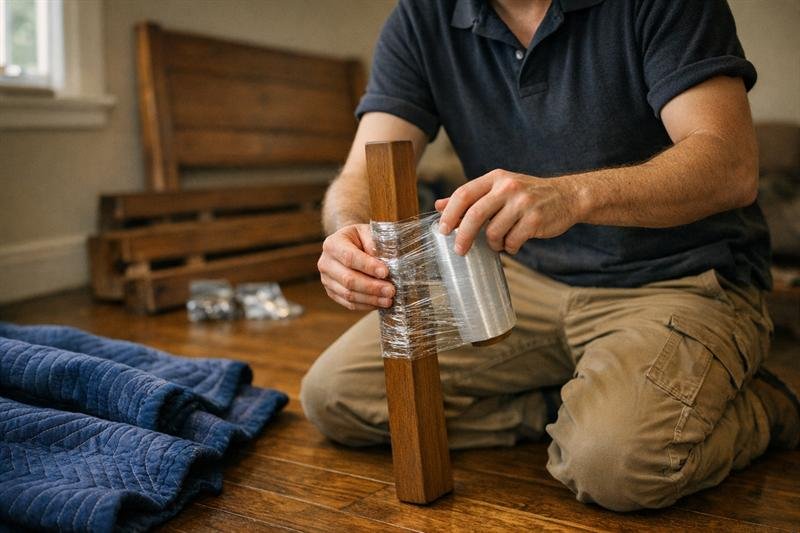
Step 4: Protect Surfaces with the Right Materials
Protection works best in layers. Padding helps absorb impact, and wrap helps hold everything in place.
- Moving blankets cushion surfaces and edges
- Stretch wrap helps keep padding secure
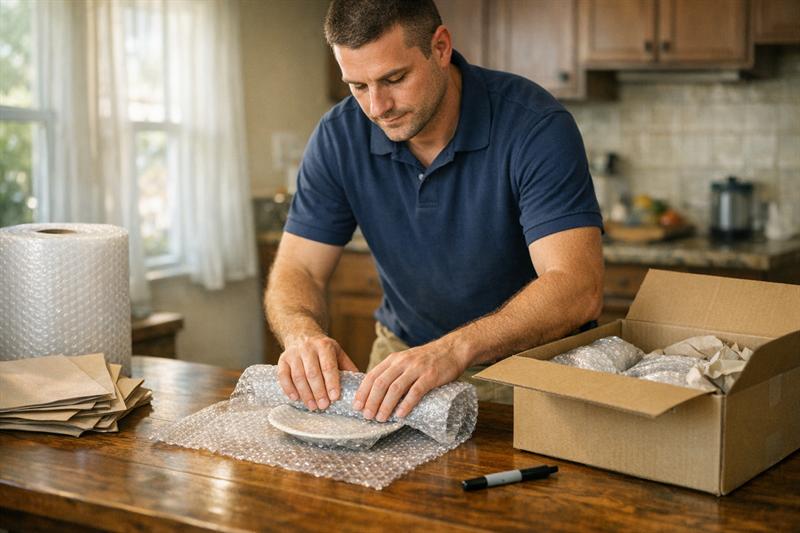
- Bubble wrap adds protection for fragile components
Direct plastic on wood is not ideal for longer moves because it can trap moisture against the surface. A better approach is padding first, then wrapping over it.
For a full list of materials, review this packing supplies list for a smooth move.
Step 5: Wrap and Label Properly
Wrapping protects the item, but labeling helps guide handling. Clear labels make it easier to identify what needs extra care.
Mark fragile items clearly and note orientation when needed. When everything looks the same, delicate pieces are easier to mishandle.
Step 6: Stage Furniture for Efficient Loading
Furniture should be placed where it can be picked up and moved out without rearranging the room first.
Group items by room and keep pathways clear. When staging is done well, loading moves in a steady flow. When it is not, the crew may need to stop and reorganize, which slows the day down.
If you are seeing any of the following, preparation is not complete:
- Furniture still has items inside drawers or compartments
- Large pieces are fully assembled and hard to move
- No clear pathway from rooms to the exit
- Items are wrapped inconsistently or not at all
Fixing these issues before movers arrive can help prevent delays and reduce the chance of damage.
How to Protect Different Types of Furniture
Wood Furniture (Tables, Dressers)
Wood surfaces scratch easily, especially along edges and corners. Padding should fully cover contact points before wrapping.
Using plastic alone is a common mistake. It does not absorb impact and may affect the finish if left in place too long.
Upholstered Items (Sofas, Chairs)
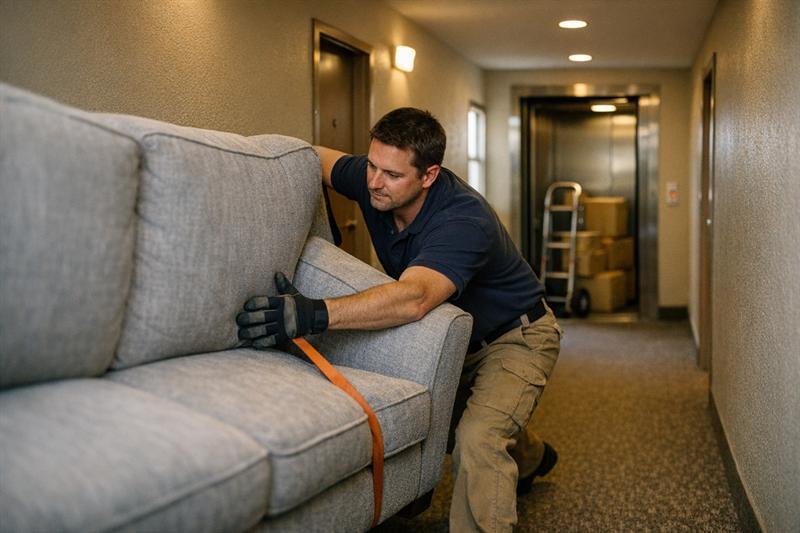
Fabric needs protection from dirt, moisture, and friction. Padding followed by stretch wrap can help keep surfaces clean during the move.
Damage often happens when items are dragged or set down on rough surfaces without protection.
Glass and Fragile Pieces
Glass components should be removed and wrapped separately whenever possible. Padding on both sides helps reduce pressure during handling.
For detailed steps, see how to pack fragile items safely.
Large or Bulky Furniture
Measure doorways and plan your path before moving anything. Tight spaces are where many handling problems show up.
If a piece does not move easily through a space, forcing it can lead to damage. Disassembly or repositioning is usually the better option.
Common Furniture Moving Mistakes That Cause Damage
- Leaving drawers full
- Not labeling hardware
- Using the wrong materials
- Skipping disassembly
- Blocking pathways
- Over-wrapping or under-wrapping
These mistakes may seem minor at first, but they often create unnecessary risk and slow down the move.
What Professional Movers Expect (and What They Handle for You)
Movers handle lifting, loading, and transport. Furniture preparation may need to be done ahead of time unless packing or prep services are included in your move.
A common misunderstanding is that movers will handle every part of furniture prep automatically. When items are not ready, the crew may need to stop and address it, which can slow the move and disrupt the loading plan.
When items are prepared properly, movers can usually work in a steadier, more organized way.
When to Consider Professional Packing Help
Some moves are straightforward. Others involve more risk, tighter access, or less time to prepare.
- High-value or delicate furniture
- Tight staircases or narrow hallways
- Limited time before moving day
- Large or complex households
In these situations, preparation mistakes tend to show up quickly. Professional packing help can make the process more consistent from the start, especially for wrapping, disassembly, and protecting difficult pieces.
Key Takeaways
- Many furniture damage issues start before items are loaded
- Disassembly and labeling help prevent common delays
- Proper materials protect both surfaces and structure
- Staging improves speed and flow on moving day
- Professional help can reduce risk in more complex moves
Conclusion
Furniture damage and moving delays often trace back to preparation. When items are not cleaned, taken apart, protected, or staged correctly, problems can show up during loading.
That can mean scratches, broken components, and a slower move overall. Once the day starts falling behind, every stop and adjustment adds more time.
At Quantum Moving, smooth moves usually start with solid preparation. Getting furniture ready in advance makes the entire process easier to manage.
If you want to protect your furniture and keep your move on schedule, the next step is to plan ahead. You can request a quote here and get help with preparation, packing, and moving.
FAQ
Do I need to disassemble all furniture before moving?
No. Only larger or harder-to-move pieces usually need disassembly. Beds, large tables, and modular furniture are common examples. If something feels bulky or difficult to maneuver, taking it apart is often the better option.
What is the best way to wrap furniture for moving?
Use moving blankets for padding and secure them with stretch wrap. This helps protect surfaces while keeping the padding in place.
Can movers prepare furniture for you?
Yes. Many moving companies offer packing and preparation services, which may include disassembly and wrapping. This can be especially helpful when time is limited or the move involves more complex items.
How do you protect wood furniture during a move?
Cover wood surfaces with padding first, then secure the padding with wrap. This helps protect against scratches and reduces pressure on the finish during handling.
Should drawers be emptied before moving furniture?
Yes. Empty drawers reduce weight and limit shifting during lifting. This makes furniture easier to handle and can lower the chance of damage.
What materials are best for protecting furniture during a move?
Moving blankets, stretch wrap, and padding materials are among the most commonly used options. Used together, they provide solid protection during handling and transport.