Quick Answer: Moving delays usually happen when small planning gaps build on each other, most often from unfinished packing, scheduling conflicts, or access issues. The best way to reduce delays is to control your timeline, confirm logistics early, and remove last-minute uncertainty.
Why Moving Delays Are More Common Than Expected
Most moves do not get thrown off by one major problem. They slow down when several smaller issues happen at once. A late start, incomplete packing, or unclear building access can quickly push the day off schedule.
That pattern is common in Bay Area moves, where timing often depends on parking, elevator reservations, traffic, and building rules all lining up. When one step slips, the rest usually follow.
In many cases, delays can be anticipated. They usually begin during planning, not on moving day.
The Hidden Complexity Behind Moving Day
Every move follows a sequence. Packing needs to be finished before loading begins. Loading needs to stay on schedule to meet elevator or access windows. Transportation timing affects when unloading can happen.
This is where delays usually start. If packing runs late, loading gets pushed back. That delay can then conflict with elevator reservations or parking access. What begins as a small setback can affect the rest of the move.
In dense areas like San Francisco, timing matters even more. Limited parking, strict building rules, and traffic leave less flexibility to recover lost time.
The Most Common Causes of Moving Delays
Most moving delays come from a few repeat issues. Understanding them makes it easier to plan ahead and avoid common slowdowns.
Poor Planning and Last-Minute Packing
- Packing not finished before movers arrive
- Boxes not labeled or organized
- Loose or unprepared items slowing loading
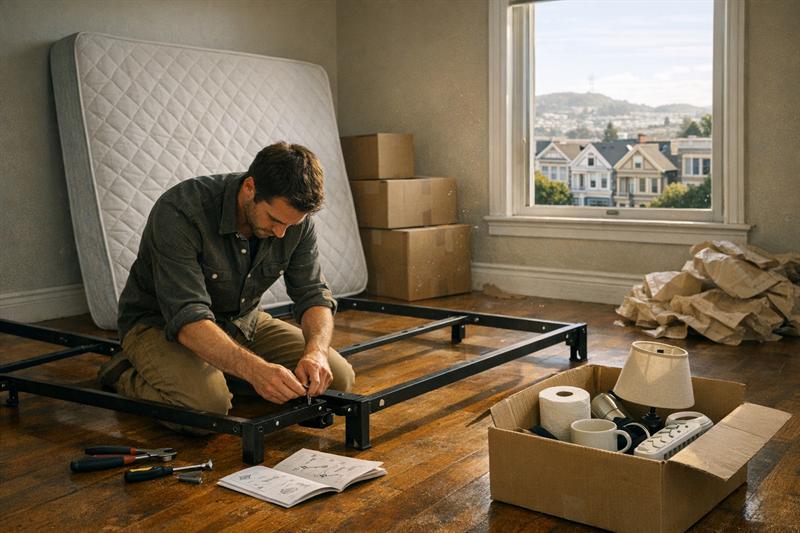
One of the biggest problems is underestimating how long packing takes. What feels like “almost done” can easily turn into several more hours of work. When packing carries into moving day, loading slows down right away.
That usually means longer move times and more pressure on the rest of the schedule.
For a more structured approach, follow a room-by-room packing guide to reduce last-minute gaps.
Scheduling Conflicts with Movers
Moving schedules are often tightly planned, especially during busy seasons. If an earlier job runs longer than expected, it can affect the next move.
This becomes a problem when your move depends on a narrow start window. Even a short delay can shift the entire day.
That can lead to compressed timelines, rushed unloading, or less flexibility at your destination.
Building Access Issues and Restrictions
- Elevator reservations not secured
- Limited move-in or move-out windows
- HOA or property management rules
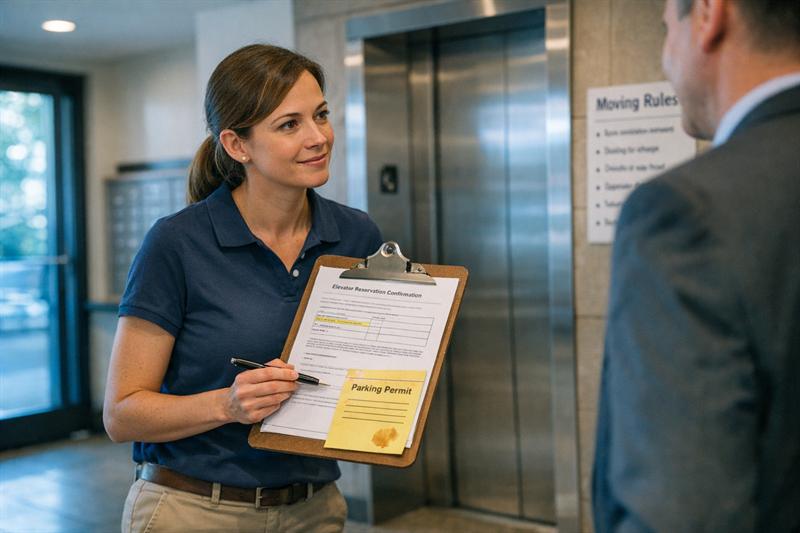
This is one of the most consistent causes of delays in apartments and condos. If access is not confirmed ahead of time, movers may need to wait or adjust the schedule on arrival.
That can lead to lost time and extra coordination on the spot.
To stay ahead of these issues, review building requirements with this apartment moving checklist.
Traffic, Parking, and Local Logistics
In the Bay Area, logistics often matter more than distance. A short move can take longer than expected because of traffic, limited parking, or difficult truck access.
Delays build quickly here. If a truck cannot park nearby, loading slows down. If permits are required but not arranged, the move may pause while access is sorted out.
These issues can extend timelines and force real-time adjustments.
Underestimating Move Size or Time
- More items than expected
- Heavy or bulky furniture
- Fragile items requiring extra care
A move that looks simple on paper can take much longer once loading begins. Extra boxes, oversized furniture, or specialty items all affect pacing.
When the scope is underestimated, delays tend to carry through the rest of the move and affect arrival timing.
Weather and Unexpected Disruptions
Weather and outside disruptions can slow down a move, especially when conditions affect safe handling and transport. Rain or heat can change how quickly items are moved and loaded.
When there is no buffer in the schedule, even minor disruptions can throw off the rest of the day.
How to Prevent Moving Delays Before They Start
Reducing delays comes down to preparation. The goal is to remove uncertainty and give each step enough time to stay on track.
Create a Realistic Moving Timeline
- Start packing earlier than you think you need to
- Build buffer time into your schedule
- Avoid stacking multiple deadlines on moving day
This is where many delays can be avoided. A realistic timeline gives you room to handle small issues without disrupting the entire move.
Use a structured plan like this complete moving checklist to stay organized.
Confirm Logistics Early (Elevators, Permits, Access)
- Reserve elevators in advance
- Secure parking permits if required
- Confirm entry points and restrictions
Many delays begin with unclear access. When these details are confirmed early, the move can start and continue without unnecessary interruptions.
This step helps prevent one of the most common sources of last-minute problems.
Work with Professional Packing Services
Professional packing can reduce delays caused by unfinished or disorganized preparation. When everything is packed and ready ahead of time, loading usually moves more efficiently.
- Reduces last-minute packing pressure
- Improves loading speed and organization
- Supports safer handling of fragile or complex items
For larger or more detailed moves, using packing services can help keep the schedule on track.
Communicate Clearly with Your Moving Team
- Provide accurate inventory details
- Confirm timing expectations
- Share access instructions in advance
Many moving-day problems start with missing details. If the crew arrives without a clear picture of the job, loading may take longer and plans may need to be adjusted on the spot.
Clear communication early makes the day more predictable.
What to Do If Your Move Gets Delayed
If a delay happens, the priority is limiting its impact. The faster everyone is updated, the easier it is to keep the move organized.
- Contact your movers as soon as possible
- Update building management if needed
- Adjust your timeline based on new information
Delays are harder to manage when updates come late. Quick communication helps keep access, timing, and unloading plans coordinated.
Immediate Steps to Stay on Track
- Confirm updated arrival or completion times
- Keep essential items accessible
- Protect packed belongings while waiting
These steps help reduce disruption and keep the move organized while timing is adjusted.
When to Consider Temporary Storage Solutions
If move-in timing no longer lines up with move-out, storage may be the simplest way to bridge the gap. This can happen when delays affect access, scheduling, or delivery timing.
Having a backup option helps avoid last-minute complications and keeps your belongings secure until the move can continue.
How Professional Movers Help Reduce Delays
Professional movers help reduce delays by managing the parts of the move most likely to go off track. That includes planning, coordination, and efficient execution.
Planning Expertise
Experienced movers build timelines around real move conditions, not ideal ones. That helps reduce common problems like underestimated labor time, access conflicts, and unrealistic scheduling.
Efficient Packing and Loading Systems
Structured packing and loading help keep the process moving. When items are organized for transport, crews can work more efficiently and with fewer interruptions.
Local Knowledge in the Bay Area
Local experience helps with common logistical issues such as traffic patterns, parking limitations, and building access requirements. Better planning usually means fewer surprises on moving day.
If your move already includes tight timing, building restrictions, or incomplete packing, delays may already be taking shape.
- Your packing is not finished the day before the move
- You have not confirmed elevator or parking access
- Your timeline has little or no buffer
- You are unsure how long loading will actually take
If any of these apply, it is worth tightening the plan before moving day.
Key Takeaways
- Moving delays usually come from multiple small issues, not one major problem
- Incomplete packing and poor planning are common starting points
- Access, logistics, and timing should be confirmed early
- Delays become harder to manage when communication is unclear
- Professional support can help keep the move organized and more predictable
Conclusion
Moving delays usually start before moving day. Missed details, unrealistic timelines, and unconfirmed logistics create problems that build as the move progresses.
If these issues are not addressed early, they can lead to longer move times, added coordination, and unnecessary stress.
Quantum Moving focuses on the areas where delays usually begin: realistic scheduling, clear communication, and the logistical challenges common in the Bay Area.
If your move involves tight timing, building restrictions, or multiple moving parts, planning early can make the day much easier to manage. You can start here: Get a quote
Frequently Asked Questions
What are the most common causes of moving delays?
The most common causes include poor planning, last-minute packing, scheduling conflicts, and access issues. These problems often happen together, which is why delays build quickly. Reviewing your plan and confirming logistics early helps reduce those risks.
How can moving delays be prevented?
Delays are usually reduced with early planning, clear communication, and confirmed logistics. Securing elevators, parking, and finishing packing before moving day removes many common issues. A structured checklist can help keep everything on track.
What should you do if your movers are late?
Contact your movers right away and adjust your schedule based on the updated timing. Delays can affect access windows and unloading plans, so quick coordination matters. A little flexibility can help the move continue with less disruption.
Can weather cause moving delays?
Yes, weather can slow down a move by affecting handling speed, loading conditions, and travel time. Rain or heat may change how quickly items can be moved. Planning for those conditions helps reduce disruption.
How early should you start planning a move?
Planning should begin several weeks in advance, depending on the size and complexity of the move. Early preparation gives you time to organize packing, confirm logistics, and secure scheduling. That helps reduce last-minute problems.
Do professional movers help reduce delays?
Professional movers can help reduce delays by managing logistics, timelines, and execution more efficiently. Their experience helps avoid common issues like underestimating time or missing access requirements. That can make the move more consistent and easier to manage.