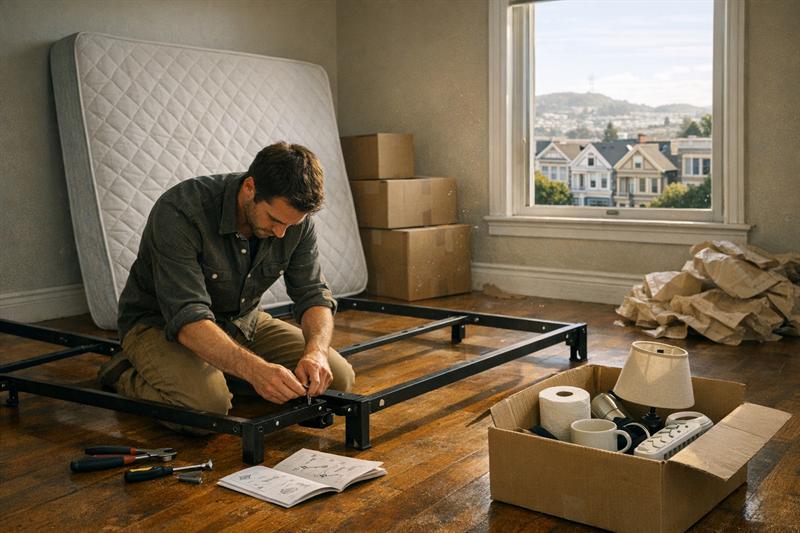

Quick Answer: Moving into a house versus an apartment changes more than the amount you move. Apartments usually create access and scheduling constraints, while houses often involve more volume, storage areas, and packing. Each affects cost, timing, and overall complexity in different ways.
Why This Comparison Matters Before You Move
Many people plan a move around the number of boxes they have. That only tells part of the story.
What often changes the difficulty of a move is the type of property. Two moves with similar inventory can play out very differently depending on access, layout, and building restrictions.
When those differences are not considered early, delays and added costs become more likely. The type of home shapes how the move needs to be planned from the start.
Access and Logistics: The Biggest Difference
Access is one of the biggest factors in how efficiently a move can be completed. It affects loading time, labor, truck placement, and how smoothly the day runs overall.
It is easy to assume a smaller apartment move will be simpler. In practice, limited access can slow the process and add coordination issues that are easy to overlook.
Apartment Constraints (Stairs, Elevators, Parking Rules)
Apartments typically involve more coordination before moving day.
- Elevator reservations with fixed time windows
- Long hallways that increase walking distance
- Limited or restricted parking near the building
- Move-in rules set by property management
If elevator access or parking is not secured in advance, the move can slow down quickly. More time spent waiting, walking, or relocating the truck usually means a longer move overall.
For a practical breakdown of what to confirm ahead of time, review this apartment moving checklist.
House Access (Driveways, Garages, Street Loading)
Houses generally offer more direct access.
- Driveways or nearby curb access for the truck
- Fewer shared spaces or building restrictions
- More continuous loading and unloading
This usually makes the move feel more straightforward. The tradeoff is that easier access can make it easier to underestimate how much still needs to be packed, loaded, and moved.
Packing and Space Considerations
Space affects both how much needs to be packed and how the packing process is handled.
Limited Space in Apartments
Apartments often limit how much people keep. Storage is tighter, so the total inventory is usually more contained.
At the same time, tighter layouts can make items harder to move out. Narrow hallways, stairs, and sharp corners slow down larger furniture and call for more careful handling.
Expanded Volume in Houses
Houses add volume in ways that are easy to miss during early planning. Garages, attics, closets, sheds, and outdoor areas often contain items that do not get counted at first.
A move that looks manageable on paper can change once those storage areas are fully included. That is when packing takes longer, truck space gets tighter, and the day can run longer than expected.
Without a clear packing plan, that extra volume can create avoidable delays. Using a resource like this room-by-room packing guide can help keep the process organized.
Moving Day Complexity
The property type changes how the day needs to be managed.
Coordinating with Building Management
Apartment moves usually involve more than packing and loading.
- Elevator schedules must be followed
- Move-in windows may be limited
- Loading areas may be shared or restricted
These constraints leave less room for delays. If one part of the move runs late, the rest of the schedule becomes harder to adjust.
Flexibility with House Moves
House moves usually allow more control over timing and sequencing.
There are fewer external restrictions, which makes it easier to adapt during the day. However, that flexibility can lead people to underestimate how long the move will take, especially when the total volume is larger than expected.
Cost Differences Between Apartment and House Moves
Cost is shaped by how the move is carried out, not only by how much is being moved.
Apartment moves can take longer because of access limitations, while house moves can expand in scope because of volume. Either one can affect labor time, scheduling, and total moving costs.
Labor and Time Factors
- Stairs and long walking distances increase labor time
- Elevator coordination can slow progress
- Larger homes usually require more time for packing and loading
When access is difficult, labor time tends to increase. When volume is higher, the overall move usually takes longer. Both can affect the final cost.
Hidden Costs to Watch
- Parking permits or avoidable parking issues
- Extended carry distances from truck to unit
- Additional labor for stairs
- Extra packing materials for larger homes
These details are often missed during early planning, which is why the final cost can end up different from the initial expectation.
Timeline and Scheduling Differences
Scheduling works differently depending on the property type.
Apartment moves are tied more closely to building availability. Elevator bookings and move-in windows limit flexibility, so timing usually needs to be more precise.
House moves usually offer more flexibility but often require more total time. Without a clear schedule, the move can stretch longer than expected.
For a step-by-step planning resource, this complete moving checklist can help organize each stage.
Common Mistakes When Switching Between Apartment and House Moves
- Assuming a smaller apartment move will automatically be faster
- Not planning for parking or building restrictions
- Underestimating how much is stored in a house
- Forgetting to reserve elevators or confirm time limits
- Delaying packing until the last minute
These mistakes can lead to longer move times, added costs, and more stress on moving day.
When to Consider Professional Moving Help
Some moves are relatively straightforward. Others involve enough access issues, timing limits, or volume that planning becomes a major part of the job.
At Quantum Moving, careful planning tends to matter most when a move includes restricted access, tight scheduling, or more items than expected.
If any of the following apply, your move may be more complex than it first appears:
- Limited parking or no clear truck access
- Multiple flights of stairs or long hallways
- Strict building move-in windows
- Overflow from garages, attics, or storage areas
When those conditions are in play, the move usually takes more coordination. Having a clear plan and the right level of support can help keep everything on track.
Services like residential moving, packing, and storage can be especially helpful when timing, access, or volume make the move harder to manage.
Conclusion
The key difference is not simply whether you are moving into a house or an apartment. It is how each type of property changes the way the move needs to be planned.
Apartment moves often involve access limits and scheduling constraints. House moves usually bring more volume, more storage areas, and more packing. If those factors are not accounted for early, the move can become harder to manage and more time-consuming.
At Quantum Moving, planning around access, volume, and timing helps reduce avoidable delays and keep the move organized.
If your move involves restricted access, increased volume, or both, the next step is to build a clear plan and work with a team that understands how these moves typically unfold.
Key Takeaways
- Access can affect move complexity as much as, or more than, move size
- Apartment moves usually involve more restrictions and coordination
- House moves often increase packing volume and overall scope
- Costs are influenced by logistics, labor time, and access, not just distance
- Early planning helps reduce delays and unexpected issues
FAQ Section
Is moving from an apartment easier than moving from a house?
Not always. Apartment moves often involve access restrictions such as stairs, elevators, long hallways, and limited parking. Those factors can add coordination and slow the process, even when the total inventory is smaller.
Why do apartment moves sometimes cost more?
They can require more time and labor. Long hallways, stairs, elevator coordination, and parking limitations can all increase the effort needed to complete the move.
What should be planned differently when moving into a house?
Focus more on total volume and packing. Houses often include extra rooms and storage areas that add more items than expected, so it helps to account for those spaces early.
Do you need permits for apartment moves?
Sometimes. Some buildings require elevator reservations, and some locations may require parking permits or advance loading arrangements. It is best to confirm those requirements ahead of time.
How far in advance should you schedule an apartment move?
Earlier is usually better. Limited elevator availability and fixed move-in windows can reduce flexibility, so booking ahead gives you more options.
What is the biggest challenge when moving into a house?
One of the most common issues is underestimating the total volume of items. Extra rooms, storage spaces, and outdoor areas often add more to pack and move than people expect.