Moving Into a House vs Apartment: Key Differences You Need to Plan For
Quick Answer: Moving into a house versus an apartment changes more than the amount you move. Apartments usually create access and scheduling constraints, while houses often involve more volume, storage areas, and packing. Each affects cost, timing, and overall...
How to Prepare Your Furniture for Moving (Without Damage or Delays)
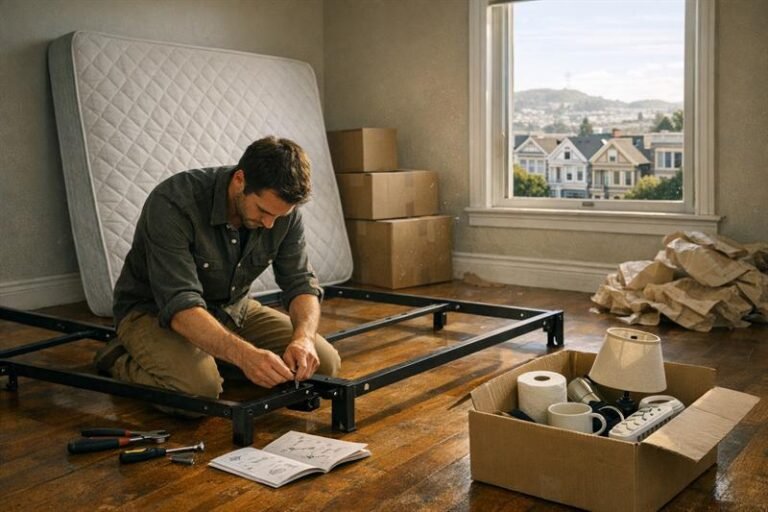
Quick Answer: Most furniture damage and moving delays start before the truck is loaded. Preparing furniture properly means cleaning it, disassembling what should come apart, protecting surfaces with the right materials, and staging everything so movers can work...
Moving Into a New Home: First 24 Hours Checklist
Quick Answer: What to do after moving into a new house comes down to a few priorities: confirm utilities, secure the property, and set up essentials like a place to sleep and your daily-use items before unpacking everything else. Following that order helps you avoid...
How to Transfer Utilities When Moving: A Step-by-Step Guide
Quick Answer: To transfer utilities when moving, schedule service at your new home and shutoff at your old home about 2–3 weeks in advance. Make sure the dates line up with your move so you avoid service gaps, installation delays, or overlapping bills. Why Utility...
How to Pack Electronics for Moving (TVs, Computers, and More)
Quick Answer: Packing electronics for moving safely means controlling movement, pressure, and static with the right materials and a clear process. Most damage happens when items shift inside boxes or screens take pressure during handling and transport. Electronics are...
Moving Day Delays: The Most Common Causes and How to Prevent Them
Quick Answer: Moving delays usually happen when small planning gaps build on each other, most often from unfinished packing, scheduling conflicts, or access issues. The best way to reduce delays is to control your timeline, confirm logistics early, and remove...
What Movers Will and Won’t Move: Common Restrictions Explained
Quick Answer: Movers typically will not transport hazardous materials, perishable food, pets, many plants, high-value personal items, or illegal items because of safety concerns, transportation rules, and coverage limits. If these items are not identified ahead of...
How to Label Moving Boxes for Fast and Organized Unpacking
Quick Answer: A lot of moving-day frustration starts with unclear box labels, which can lead to misplaced boxes, slower unloading, and harder unpacking. The most effective approach is a simple system that combines room names, color coding, box numbers, and a basic...
Apartment Moving Checklist: Elevators, Parking, and Building Rules Explained
Quick Answer: An apartment moving checklist should prioritize elevator reservations, parking permits, and building rules because these are some of the most common sources of friction during a move. Missing any of these steps can delay access, disrupt scheduling, or...
Moving Inventory Checklist: How to Track Everything You Pack
Quick Answer: A moving inventory checklist is a simple system for tracking every box and key item so you know what you packed, where it belongs, and what to look for during delivery and unpacking. Without one, packing can become disorganized quickly, which is when...
Room-by-Room Packing Guide for Moving (Step-by-Step Plan)
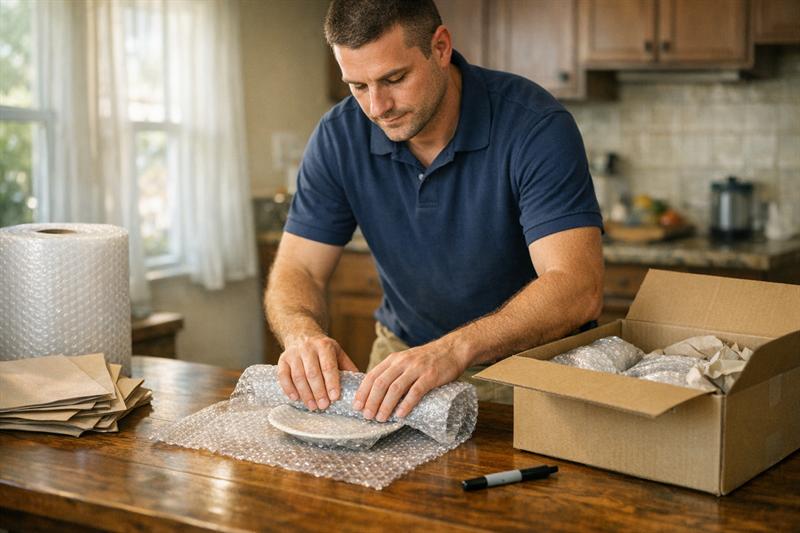
Quick Answer: Packing each room for a move works best when you follow a clear sequence, pack one room at a time, and handle items based on how often you use them. Most packing problems start when items are boxed randomly, which leads to misplaced belongings,...
How to Plan a Stress-Free Move in California (Start to Finish)
Quick Answer: A less stressful move comes down to timing, sequencing, and coordination. Many moving problems start weeks before moving day with delayed planning, rushed packing, or overlooked logistics, and they can lead to delays, damaged items, or avoidable...