Quick Answer: Most moving damage comes down to preventable packing mistakes such as using the wrong boxes, too little padding, and poor weight distribution. Fixing those issues early helps keep items stable and lowers the risk of breakage during handling and transport.
Introduction
Unpacking is usually when packing decisions show their impact. Boxes that looked fine on moving day can end up containing cracked dishes, chipped furniture, or damaged electronics.
In many moves, the transportation itself is not the main problem. Packing shortcuts create weak points that fail once boxes are lifted, stacked, and shifted.
At Quantum Moving, packing is treated as the starting point of a successful move. When it is done with structure and consistency, many problems are easier to avoid. When it is rushed, small issues tend to surface later.
Why Packing Mistakes Are a Leading Cause of Moving Damage
Damage is rarely random. It usually traces back to how items were packed.
One common issue is inconsistency. Some boxes are overfilled, others have too much empty space, and fragile items may not be clearly marked. Once those boxes go through loading and transport, the weak spots become obvious.
That is where problems start. Items shift inside the box, stacking adds pressure, and repeated movement leads to impact.
When packing is done with balance and protection in mind, many of these issues can be reduced before the move even begins.
Featured Snippet Target: Most Common Packing Mistakes When Moving
- Using the wrong box sizes
- Overpacking boxes
- Not using enough padding
- Skipping proper labeling
- Packing fragile items incorrectly
- Leaving empty space in boxes
- Mixing items from different rooms
- Using low-quality materials
The Most Common Packing Mistakes (And How to Avoid Them)
1. Using the Wrong Box Sizes
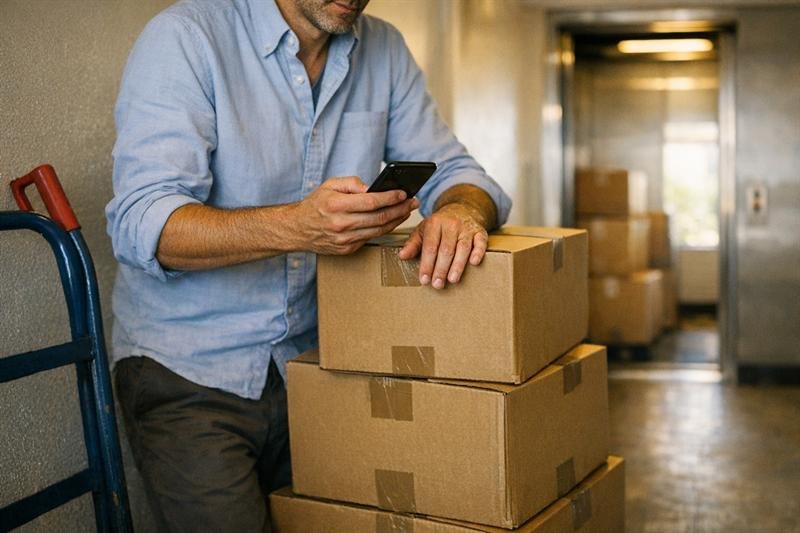
Box size directly affects stability. Large boxes filled with heavy items are harder to carry and more likely to shift.
That can lead to dropped boxes or pressure damage from stacking. Smaller boxes are usually better for dense items like books, while larger boxes work better for lighter items.
When box size and weight do not match, handling becomes less controlled and the risk of damage goes up.
2. Overpacking Boxes
Overpacking puts stress on both the box and the person carrying it.
Boxes can lose shape, seams can weaken, and stacking becomes less stable. Once a box starts to deform, the contents are no longer protected evenly.
If a box is difficult to lift or hard to close securely, it is probably packed too heavy.
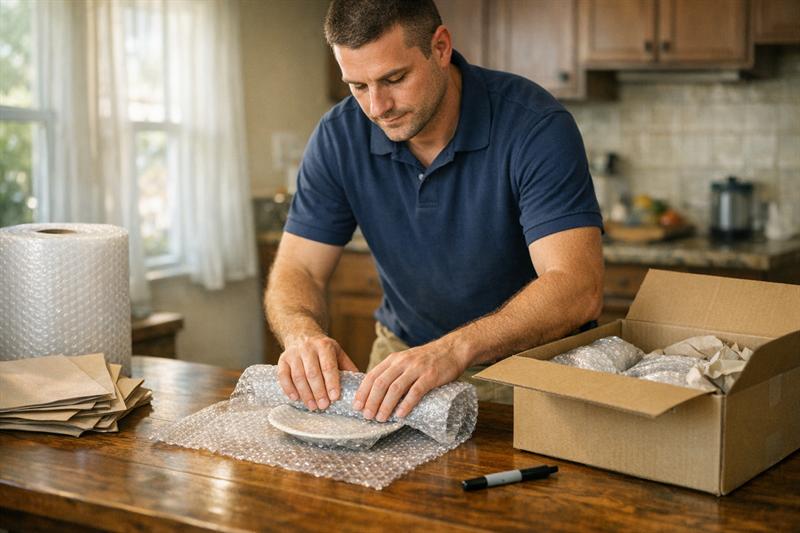
3. Not Using Enough Padding
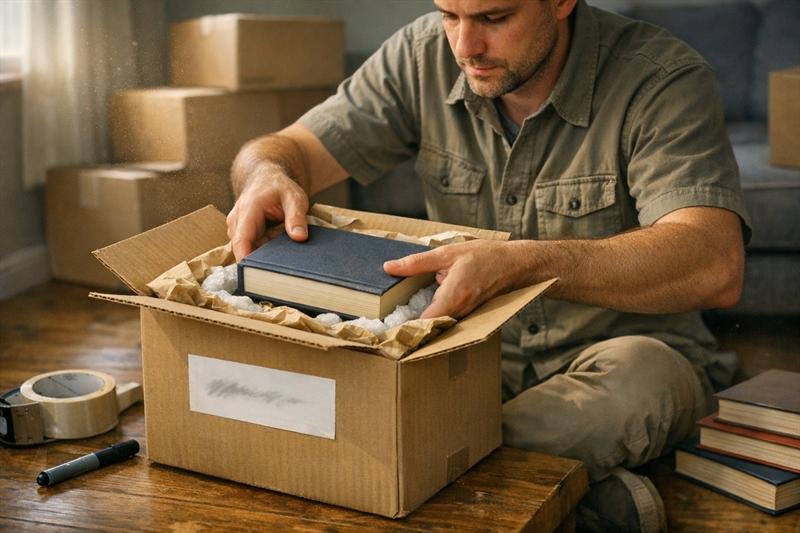
Items are more likely to break when they can move inside the box.
Without enough padding, even normal movement during transport can create repeated contact between items. This is especially common with glassware and kitchen items.
Proper cushioning helps keep items separated and supported. For a more detailed approach, see how to properly pack fragile items.
4. Skipping Proper Labeling
Labeling affects how boxes are handled. Without it, people loading and unloading have less information to work with.
That increases the chance of fragile boxes being stacked under heavier ones or placed in tighter, higher-pressure areas.
A clear labeling system improves both safety and efficiency. A practical method is outlined in how to label moving boxes for fast and organized unpacking.
5. Packing Fragile Items Incorrectly
Fragile items need stable positioning and individual protection.
A common mistake is stacking them flat or grouping them together without separation. That creates direct pressure points during movement.
Plates, for example, are generally more stable when packed vertically with padding between each piece. Small adjustments like that can make a noticeable difference.
6. Leaving Empty Space Inside Boxes
Empty space allows items to shift freely.
That movement builds momentum inside the box and can lead to repeated impact. Over time, this raises the chance of cracks or breakage.
Filling gaps with packing paper or other soft packing material helps keep everything in place.
7. Mixing Items from Different Rooms
Mixing items from different rooms creates confusion during unloading and unpacking.
It often leads to boxes being opened, moved, and reorganized more than necessary. Each extra touch increases the chance of drops or mishandling.
Keeping items grouped by room creates a more organized process. A simple approach is outlined in this room-by-room packing strategy.
8. Using Low-Quality Packing Materials
Material quality affects how well a box holds up under weight and movement.
Weaker boxes can bend or collapse, and low-quality tape may not hold under tension. When that happens, contents become less secure.
Using durable materials helps boxes keep their shape throughout the move.
Hidden Packing Mistakes Most People Don’t Realize
Weight Distribution Problems
Uneven weight inside a box makes it harder to carry and stack.
That can lead to tilting, shifting, and pressure on one side of the box. Over time, the imbalance increases the chance of damage.
Improper Sealing Techniques
Sealing is easy to overlook, but it affects box strength.
If the bottom is not reinforced, it may give out during lifting. Proper taping helps the box stay intact under load.
Poor Electronics Protection
Electronics are sensitive to both movement and pressure.
Without secure packing, screens, corners, and internal components are more exposed to impact during transport.
For step-by-step guidance, see packing electronics safely for a move.
If You’re Seeing These Issues, Damage Is More Likely
Packing problems are often visible before moving day. When they show up early, they usually continue through loading, transport, and unloading.
- Boxes feel unstable or uneven when lifted
- You hear items shifting inside sealed boxes
- Heavy items are packed in oversized boxes
- Fragile items are grouped without individual wrapping
If these signs are present, the packing approach likely needs adjustment. In many cases, repacking is the clearest way to reduce risk before moving day.
How Professional Packing Reduces Risk
Professional packing brings consistency to the process.
Trained crews typically follow reliable methods for box selection, padding, and weight balance. That reduces guesswork and helps create more uniform results from box to box.
At Quantum Moving, packing is approached as a system. Each box is prepared with transport in mind, not just storage.
For fragile or high-value items, that kind of structure can help reduce handling risks.
How to Pack Smarter (Without Overcomplicating Your Move)
Start with the items most likely to break or shift. Fragile and heavy items usually deserve the most attention and should be packed carefully from the start.
Keep the system simple. Group by room, label clearly, and avoid rushing through boxes.
Many packing problems are prevented at this stage. Careful packing early reduces the need for fixes later.
Key Takeaways
- Most moving damage is linked to packing decisions
- Box size, weight balance, and padding all affect outcomes
- Movement inside boxes is a major cause of breakage
- Organization and labeling improve both safety and efficiency
- Structured packing helps reduce avoidable problems
Conclusion: Small Packing Decisions Have Big Consequences
Packing mistakes usually show up after the move, when items are already damaged and harder to replace.
That is what happens when boxes are packed without enough structure. Small issues build during handling and transport, and the results appear during unpacking.
At Quantum Moving, the focus is on preventing those outcomes before they happen. A structured packing approach helps reduce uncertainty and better protect items throughout the move.
If packing already feels inconsistent or rushed, it is a good time to adjust before moving day. Putting the right system in place now can help avoid preventable damage later.
Frequently Asked Questions
What are the most common packing mistakes when moving?
The most common mistakes include overpacking, using the wrong box sizes, and not adding enough padding. Those issues can lead to shifting and pressure inside boxes, which increases the chance of damage. Reviewing your packing before moving day helps catch problems early.
How do you pack to prevent damage during a move?
Use properly sized boxes, secure items with padding, and eliminate empty space where possible. Stable packing limits movement and helps protect items during handling. Paying closer attention to fragile items usually makes the biggest difference.
Is it better to hire professionals for packing?
Professional packing can be especially helpful for fragile, awkward, or high-value items. Trained crews use consistent methods that reduce common packing errors. That can be useful when certain belongings need extra protection.
Why do items break during a move?
Items often break because they move inside the box or are packed unevenly. Without proper support, they absorb impact during transport. Improving box structure and cushioning addresses many of these issues.
How should fragile items be packed for moving?
Wrap each item individually, add padding between items, and place them securely in a sturdy box. That helps limit movement and reduce direct impact. A more structured setup generally offers better protection.
What packing materials are best for moving?
Strong boxes, reliable tape, and protective cushioning materials are commonly used. Better-quality supplies are more likely to hold their shape under weight and movement. Choosing the right materials supports safer packing overall.