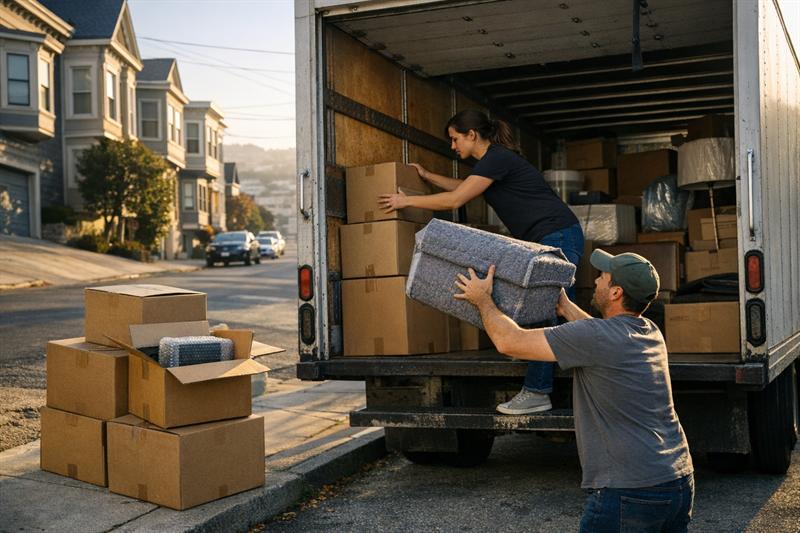
Quick Answer: Summer moves can be harder because demand is higher and heat can slow the process, leading to tighter schedules, added stress, and a greater chance of delays or damage. The most reliable way to stay ahead of it is to plan early, choose the right timing, protect your belongings, and use the right level of support.
Many moves are scheduled for summer because it is the most convenient time to relocate. It is also the season when conditions become less forgiving. Schedules fill quickly, timelines tighten, and small oversights can create delays that are hard to recover from.
In the Bay Area, what starts as a straightforward move can become more complicated once availability, traffic, and building logistics begin to shift.
Why Summer Is the Most Challenging Time to Move
Summer brings several challenges at once. Demand increases, temperatures rise, and logistics become less flexible.
- Higher demand reduces available dates and time slots
- Heat can increase fatigue and slow physical work
- Traffic and building access may be less predictable
- Delays are harder to recover from once the schedule shifts
Planning can feel optional at first, then suddenly become urgent as schedules fill. That is when problems usually start. Limited availability forces tradeoffs on timing, coordination, or scope.
When those details are not addressed early, moves often take longer and require more adjustment on moving day.
Tip #1: Plan Your Move Earlier Than You Think
Ideal Booking Timelines
Planning ahead is one of the most effective ways to keep a summer move manageable. Waiting usually means less control over timing.
Moves booked closer to the date often lose access to early time slots. That shift alone can change how the day unfolds, especially in warmer conditions.
For a more organized approach, follow a complete moving checklist to map out each step and avoid last-minute decisions.
How Peak Demand Affects Pricing and Availability
During peak season, availability often becomes the main constraint. Pricing and scheduling both reflect that pressure.
Flexible timelines usually create better options. Fixed weekend moves, especially at month-end, tend to come with fewer choices.
When planning is delayed, it often results in:
- Limited scheduling choices
- Longer move windows
- More coordination challenges
Early planning helps reduce these constraints and keeps the move more predictable.
Tip #2: Schedule Your Move Strategically
Best Times of Day to Move
Early morning is generally the most efficient time to move in summer. Temperatures are lower, and the pace is easier to maintain.
Moves that begin later in the day often slow down as heat builds. Fatigue increases, and tasks can take longer to complete. Timing has a direct effect on both speed and consistency.
If the start time is pushed back, the move may extend into less efficient hours, adding pressure to the final stages.
Weekday vs Weekend Considerations
Weekday moves typically offer more flexibility. Roads may be easier to plan around, and building access is often simpler to coordinate.
Weekend moves can come with tighter conditions. In the Bay Area, that may include limited parking, elevator scheduling restrictions, and heavier traffic around residential buildings.
When these factors are not accounted for, the move becomes reactive instead of planned.
Tip #3: Protect Your Belongings from Heat Damage
Items Most at Risk During Summer Moves
Heat exposure affects some items more than others. Materials that are stable indoors can become vulnerable inside a moving truck.
- Electronics
- Candles and wax-based items
- Plastic containers and components
- Artwork and delicate materials
- Perishable goods
Items may sit longer than expected during loading or unloading, and enclosed spaces can heat up quickly.
Packing Techniques for Hot Weather
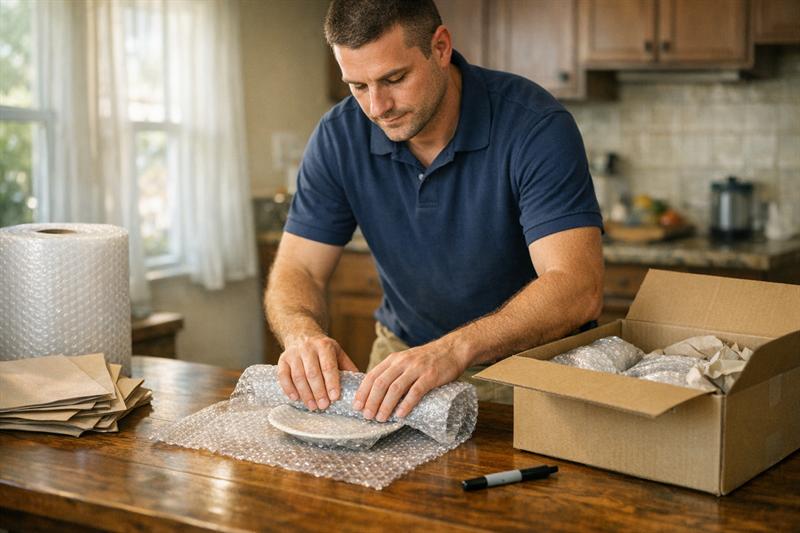
Packing for summer requires more than standard protection. Timing and material choice both matter.
- Use insulated materials for heat-sensitive items
- Clearly label boxes that need priority handling
- Limit how long items remain inside the truck
- Load sensitive items last and unload them first
For more detailed guidance on delicate belongings, see how to pack fragile items safely for moving.
Without these adjustments, heat exposure can lead to visible damage or shorten the lifespan of certain items.
Tip #4: Stay Safe and Comfortable on Moving Day
Hydration, Breaks, and Physical Safety
Summer moves place more strain on the body. Heat can increase fatigue and make it harder to maintain a steady pace.
This often becomes noticeable early in the move. Without pacing and hydration, energy drops and progress slows across every step.
When this is overlooked, the move usually takes longer and becomes more physically demanding.
Coordinating Help vs Hiring Professionals
DIY moves usually require more effort in summer conditions. Tasks that seem manageable beforehand can become harder once heat and time pressure are involved.
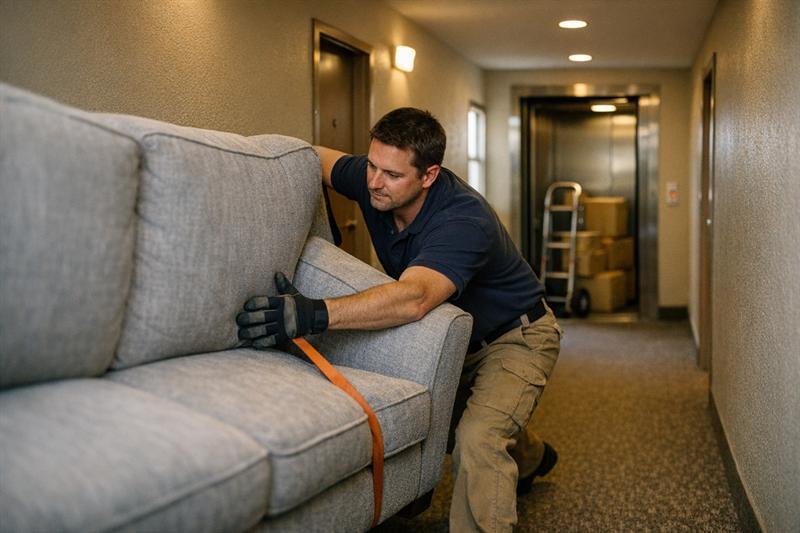
One common issue is underestimating the workload. Large furniture, stairs, and tight access points can create delays that build throughout the day.
If the move involves multiple rooms, limited time, or complex access, it may make sense to line up additional support.
If your move is starting to feel more complex than expected, it may be time to firm up the plan:
- You are struggling to secure your preferred moving date
- The move involves large furniture or multiple floors
- You are concerned about heat or limited time
- Your schedule cannot easily absorb delays
When these conditions are present, a more structured approach can help keep the move on track.
Tip #5: Simplify with Professional Packing and Moving Support
When DIY Moving Becomes Risky
There is a point where handling a move independently becomes inefficient. Summer conditions can bring that point closer.
This often happens with larger homes, office relocations, or moves with tight timelines. Heat, coordination, and physical demand start to overlap.
When those factors combine, delays and strain tend to increase.
How Professional Services Reduce Peak-Season Stress
Professional support adds structure during a time when variables are harder to control.
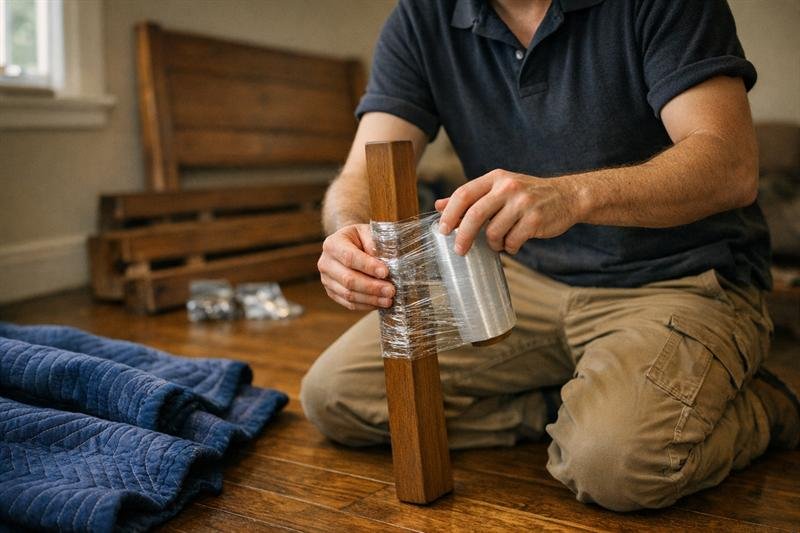
Packing, transportation, and storage services can help manage timing and protect belongings more consistently. For example, using professional packing services can help ensure materials and packing methods fit the move.
For many moves, that leads to a more predictable timeline and fewer last-minute adjustments.
Common Summer Moving Mistakes to Avoid
- Waiting too long to book
- Scheduling during the hottest part of the day
- Overlooking heat-sensitive items
- Not confirming building or parking logistics
- Trying to fit too much into one day
These issues rarely happen in isolation. One delay can create another, making the move harder to stabilize.
Key Takeaways
- Summer moves usually require earlier planning than expected
- Timing directly affects efficiency and comfort
- Heat creates real constraints for both people and belongings
- DIY moves become more demanding under peak conditions
- Professional coordination becomes more valuable as complexity increases
Conclusion
Summer moving becomes more difficult when timing, demand, and conditions are underestimated. These factors do not stay isolated. They build on each other and reduce flexibility as the move approaches.
When planning is delayed or incomplete, the move often takes longer, requires more effort, and creates avoidable complications. That pattern is common during peak season.
Quantum Moving approaches summer moves with a focus on timing, preparation, and coordination. That structure helps reduce delays and keep the process manageable when demand is high.
The next step is to secure your schedule early and build a clear plan. Start by requesting a moving quote and locking in your timeline.
How Quantum Moving Approaches Summer Moves
Summer moves require coordination, not just labor. The approach centers on planning, timing, and execution.
This includes early scheduling, structured packing, and clear moving-day planning. Each step is designed to reduce uncertainty and keep the move on track.
Bay Area experience also matters. Traffic patterns, building access, and local demand all influence how a move is planned and carried out.
FAQ
How far in advance should you plan a summer move?
Planning several weeks ahead improves access to preferred dates and times. Peak demand fills schedules quickly, especially on weekends. Early planning helps keep your options open.
What is the best time of day to move in hot weather?
Early morning is generally the most effective. Cooler temperatures support a steadier pace and reduce fatigue. Starting early also helps avoid delays later in the day.
How do you protect items from heat during a move?
Use insulated packing, limit exposure time, and prioritize unloading sensitive items first. Electronics and certain materials are more vulnerable to heat. Packing order and timing can make a noticeable difference.
Is summer the most expensive time to move?
Higher demand can affect both availability and pricing. Limited scheduling options increase competition for certain dates. Planning earlier usually improves flexibility.
Should you hire movers during peak season?
Moves with tight timelines or added complexity often benefit from professional support. Heat and logistics can add difficulty quickly. Reviewing the scope early helps determine what level of help makes sense.
What should you avoid doing on moving day in summer?
Avoid late starts, poor hydration, and unrealistic schedules. Heat can slow progress and increase fatigue. A clear plan and steady pacing help keep the move controlled.