
Quick Answer: Many moving problems start with the wrong supplies rather than the packing itself. A complete moving packing supplies list includes sturdy boxes, reliable protective materials, and a clear labeling system to help reduce damage, delays, and last-minute stress.
Packing often goes off track before the first box is even filled. Supplies are incomplete or mismatched to the items being packed. At Quantum Moving, that often looks like oversized boxes, weak tape, fragile items shifting in transit, and inconsistent labeling. The result is usually damaged items, lost time, and confusion during unloading.
The goal is not just to gather supplies. It is to build a packing system that holds up from the first box to the final unload.
Why Having the Right Packing Supplies Matters More Than You Think
The materials you use directly affect how well items hold up during a move. Weak boxes, poor tape, or missing protective materials make it easier for contents to shift, crush, or break.
One common mistake is using oversized boxes for heavy items. That makes boxes harder to carry and more likely to split under weight. Another is using low-quality tape that loses adhesion during transport, causing boxes to loosen or open.
Once items are packed with the wrong materials, that risk carries through the entire move. Even careful handling cannot fully make up for poor packing decisions.
When supply planning is overlooked, the move becomes reactive. Time gets spent fixing preventable issues instead of staying on schedule.
Complete Moving Packing Supplies List (By Category)
Essential Packing Supplies (Non-Negotiables)
- Moving boxes (small, medium, large): Small boxes work best for heavy items and are easier to carry safely.
- Packing tape: Strong tape helps boxes stay sealed under weight and movement.
- Tape dispenser: Makes taping faster and more consistent.
- Permanent markers: Clear labeling keeps boxes organized and easy to identify.
A frequent mistake is using large boxes to reduce the total box count. In practice, they often end up overloaded. That slows down the move and increases the chance of box failure.
Protection Materials for Fragile Items
- Packing paper: Wraps items and fills empty space to limit movement.
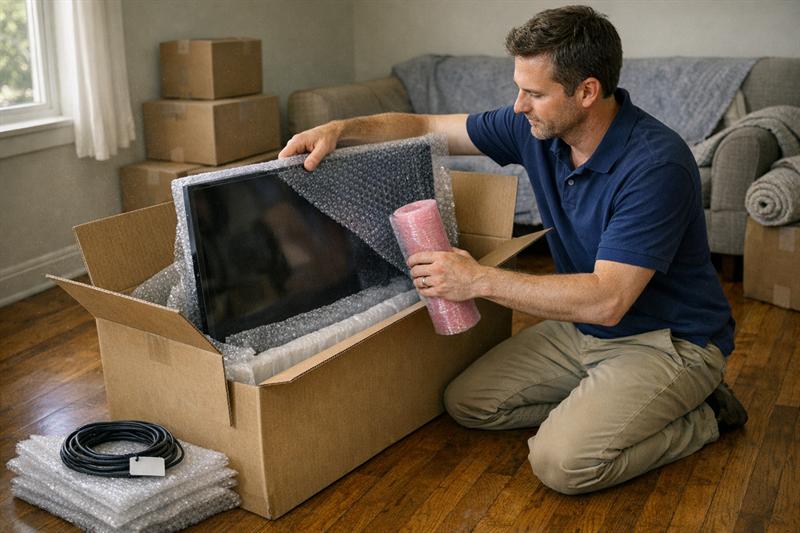
- Bubble wrap: Adds cushioning for delicate or breakable items.
- Foam sheets: Useful for layering and protecting surfaces.
- Corner protectors: Help reduce damage to edges and frames.
Relying only on bubble wrap is another common issue. Packing paper is often better for stabilizing items because it fills gaps inside the box. Movement inside the box is a major cause of damage during transport.
For a deeper breakdown, see how to pack fragile items safely for moving without breakage.
Furniture Protection Supplies
- Moving blankets: Protect surfaces from scratches and dents.
- Stretch wrap: Keeps drawers, doors, and loose parts secured.
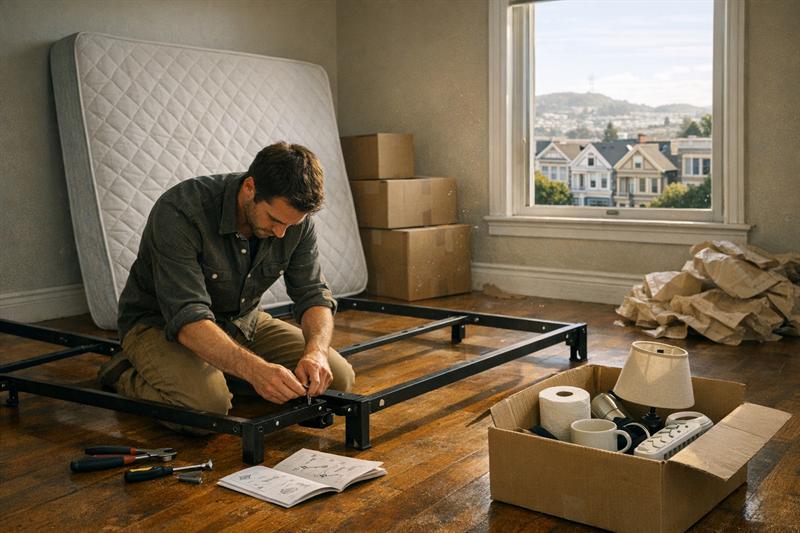
- Mattress bags: Protect against dirt and exposure during transport.
This is where a lot of visible damage happens. Without proper protection, furniture can get scratched during loading or while shifting in the truck.
Specialty Moving Boxes You May Need
- Wardrobe boxes: Keep clothing hanging and organized.
- Dish packs: Provide added support for fragile kitchen items.
- TV boxes: Designed to better fit and protect screens.
- Mirror boxes: Help protect large flat or fragile items.
These are not always necessary, but skipping them for fragile or high-value items can increase the chance of damage.
Labeling and Organization Supplies
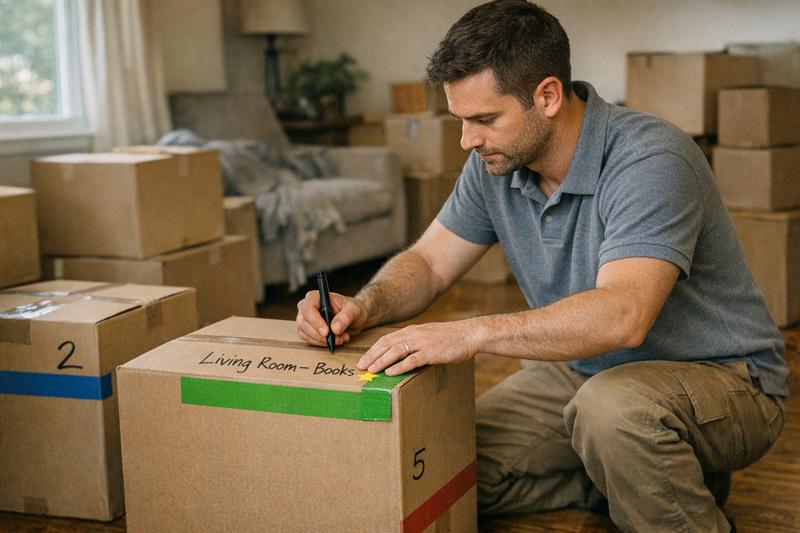
- Labels: Identify contents and destination rooms.
- Color coding: Helps speed up unloading and room placement.
- Inventory lists: Track what has been packed and moved.
Labeling is what keeps the move organized. Without it, boxes are more likely to end up in the wrong rooms and unpacking takes longer than it should.
To keep everything aligned, use this complete moving checklist.
How Much Packing Supplies Do You Actually Need?
Supply estimates depend on home size, but underestimating is usually what causes the most problems.
A general guideline:
- Studio or 1-bedroom: 20-40 boxes
- 2-bedroom: 40-60 boxes
- 3+ bedroom: 60+ boxes
Trying to reduce box count by packing heavier loads into fewer boxes usually leads to slower loading and a higher chance of damage. Boxes become harder to carry and more likely to fail.
Running out of supplies mid-pack creates another problem. It often leads to rushed decisions, which is when items are poorly protected or mislabeled.
Supplies Most People Forget Until It’s Too Late
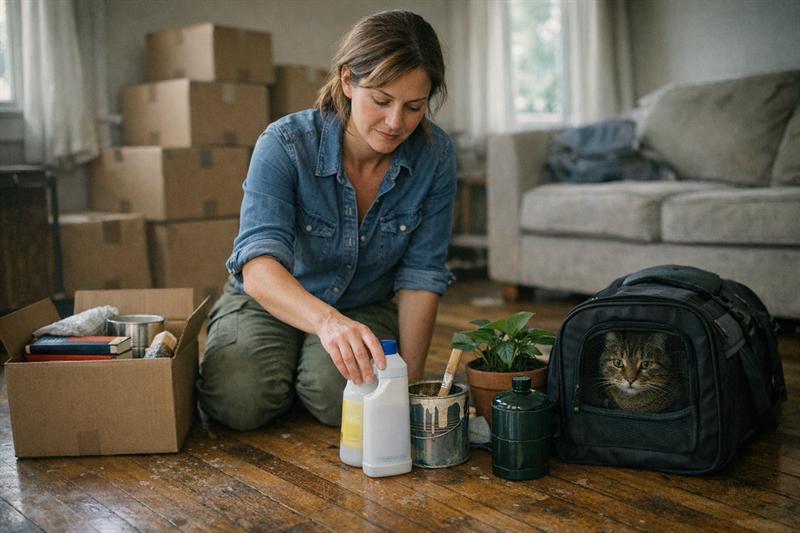
- Zip-top bags for screws and hardware
- Basic toolkit
- Cleaning supplies
- Trash bags
- Paper towels
This tends to show up on moving day. Furniture is taken apart, but hardware is not stored properly. That can lead to missing pieces and delays during setup.
For a full breakdown of what to expect, review what happens on moving day.
DIY Packing vs Professional Packing Supplies
The difference between DIY and professional packing usually comes down to consistency and material quality.
Professional packing typically uses stronger boxes, better protective materials, and a structured process. That helps reduce movement inside boxes and improves overall protection.
DIY packing can work well, but it is often less consistent. Materials vary, protection is uneven, and that is where damage is more likely to show up after the move.
If you are packing fragile, valuable, or high-volume items, professional packing can be a more reliable option. Learn more about packing services and how they support the process.
Where to Get Moving Packing Supplies
Supplies can come from retail stores or directly from a moving company.
Retail stores are convenient, but quality can vary. Moving companies often provide materials designed for transport and repeated handling.
Many people use a mix of both. Basic supplies come from stores, while higher-risk items are packed with more durable materials.
Key Takeaways
- Most packing problems start with the wrong supplies, not the packing itself
- Smaller boxes improve handling and help reduce overpacking
- Proper protective materials limit shifting and damage
- Labeling systems keep the move organized and efficient
- Running out of supplies leads to rushed and inconsistent packing
Conclusion
The problem is not just missing a few supplies. It is starting the move without a clear system. That can lead to damaged items, delays, and unnecessary stress.
These issues build quickly. Rushed packing, weak protection, and disorganization tend to compound as moving day gets closer. Fixing them late in the process is harder and more time-consuming.
Quantum Moving helps prevent these breakdowns by bringing structure to the process from the start. With the right materials and a clear packing approach, the move is easier to keep organized and on track.
If you want to avoid the common packing problems that slow moves down, the next step is to plan early and work with a team that handles this process every day.
Frequently Asked Questions About Moving Packing Supplies
What are the most important packing supplies for moving?
Direct answer: Boxes, packing tape, and protective materials like packing paper are the essentials.
Why it matters: Without them, items are more likely to shift, break, or become disorganized during transport.
Next step: Start with a complete supply list so you do not miss the basics.
How far in advance should I buy packing supplies?
Direct answer: Ideally 2-3 weeks before moving day.
Why it matters: That gives you time to pack in stages instead of rushing at the end.
Next step: Buy early enough to stay organized and avoid last-minute supply runs.
Is bubble wrap or packing paper better for moving?
Direct answer: Packing paper works well for most items, while bubble wrap is useful for especially fragile pieces.
Why it matters: Paper fills gaps and helps limit movement, which is a common cause of damage.
Next step: Use both based on what you are packing.
How do I estimate how many boxes I need?
Direct answer: Start with your home size and plan for more small boxes than large ones.
Why it matters: Smaller boxes help prevent overpacking and are easier to carry safely.
Next step: Estimate early so you do not run out in the middle of packing.
Can I get packing supplies from moving companies?
Direct answer: Yes, many moving companies offer packing supplies.
Why it matters: Those materials are typically selected for transport and durability.
Next step: Ask what is available before buying everything from a retail store.
What packing supplies help prevent damage during a move?
Direct answer: Moving blankets, packing paper, and stretch wrap are some of the most useful supplies.
Why it matters: They help reduce movement and protect surfaces during transport.
Next step: Prioritize protection for fragile, awkward, or high-value items.